Luxury Master Project Planning in Under 30 Days
Transform Your Living Area: Essential Facts On Residential Improvement Projects for Each House Owner
Residents commonly search for methods to enhance their living spaces through home improvement projects. Such undertakings may vary from small kitchen fixes to entire residential overhauls. Understanding the options available is essential for choosing intelligently. Moreover, one must consider real-world factors like budgeting and choosing the right builder. As homeowners commence on this journey, they may find themselves facing unexpected challenges. The secret to a great renovation lies in careful planning and performance. What steps should be taken next?
Knowing the Various Categories of Home Remodeling Services

When homeowners consider renovating their residences, they often encounter a variety of remodeling services suited to various requirements and preferences. These projects are generally grouped into various categories, each addressing specific aspects of residential enhancement. Kitchen remodeling focuses on modernizing fixtures, the cabinets, and layouts to enhance functionality and the look. Bathroom upgrades generally mean improving the fittings, the ceramic work, and storage solutions for improved comfort and visual flair.
Full-house renovation covers extensive modifications to the entire house, sometimes requiring major structural work to make the most of the space and flow. External improvement work, in contrast, focus on boosting the property's street view, dealing with the cladding, the covering, and the garden design. Furthermore, specific options such as completing the basement and upgrading the attic enable property owners to utilize fully neglected parts of the home. All these service types delivers specific perks, allowing property owners to select choices that match their goals for their residence. Grasping these differences is crucial to choosing wisely throughout the remodeling project.
Creating an Attainable Financial Limit for Your Remodeling Project
How do property owners make certain their home upgrades are kept financially viable? Establishing a realistic budget is vital. Homeowners should begin by assessing their monetary resources, like savings and available loan choices. This preliminary action allows one to figure out the amount that can be set aside for the remodel without compromising other financial responsibilities.
Next, homeowners must research the costs associated with their desired renovations, taking into account materials, labor, and unexpected costs that frequently occur. Creating a detailed list of priorities will assist in separating necessities from non-essential items, enabling modifications if the finances are strained.
It's wise to include a contingency fund, usually about 10-20% of the overall cost, to handle unforeseen expenses. Periodically examining and tweaking the budget throughout the remodeling process can further assist in keeping finances in check. Ultimately, a well-planned budget not only guarantees project viability and makes the whole updating experience better for those living in the home.
Selecting the Appropriate Contractor to Suit Your Project.
Selecting the right contractor can significantly affect how well a renovation turns out. It is recommended that homeowners start by performing extensive investigation, seeking recommendations from friends, family, or online reviews. It is essential to confirm documentation, such as licenses, insurance, and surety bonds, to verify their standing.
When prospective builders are located, homeowners should request detailed estimates and timelines, making it possible to compare options knowledgeably. Meeting with them offers a look at their manner of communicating and their professional conduct, which are crucial for working together effectively.
Furthermore, examining previous work via portfolios or referrals demonstrates the professional's skill level. Homeowners should also inquire about warranties or guarantees, reflecting the contractor's confidence in their work.
Finally, picking a builder whose approach fits the property owner's ideas, cost plan, and timeframe fosters a more positive remodeling experience, making certain the outcome satisfies needs and transforms the living space effectively.
Organizing and Conceptualizing Your Ideal Space.
As homeowners envision their ideal spaces, meticulous organization and deliberate design form vital parts of a triumphant renovation effort. The first step involves evaluating current needs and future aspirations, which permits a comprehensive grasp of the room's intended function. When planning, homeowners should evaluate practicality, visual appeal, and personal style, to guarantee the design showcases their individual tastes.
Following this, developing a comprehensive budget is essential. This budget should accommodate supplies, workforce costs, and potential unforeseen expenses. Consulting with design experts can give meaningful advice, assisting in improving the layout and respecting budgetary constraints.
Incorporating elements like natural light, open layouts, and eco-friendly supplies can elevate the living environment. Lastly, visualizing the project through mock-ups or 3D visualizations can assist in finalizing plans prior to construction. By approaching the planning and design phase with intention, homeowners can build a comfortable, effective space tailored to their lifestyle.
Understanding Regulations and Permits in Residential Projects
Understanding the complexities of permits and regulations can be challenging for homeowners starting on a thorough guide remodeling project. Every local government sets particular guidelines that dictate what is permissible during renovations, frequently shaped by zoning laws, building codes, and safety standards. It is essential for homeowners to understand local regulations to avoid costly fines or construction hold-ups.
In most cases, getting permits is mandatory for major changes, such as modifying load-bearing elements or new wiring installations. This process often involves submitting plans for review and could involve check-ups at various stages.
Engaging a knowledgeable contractor can streamline these steps, as they are often familiar with local codes and can aid in filing necessary forms. It is important for homeowners to communicate regularly with the city's regulatory body to ensure adherence throughout the project. By comprehending and working within these rules, homeowners can fulfill their improvement aims while guaranteeing that the work is safe and legal in their renovations.
Frequently Asked Questions
What is the Duration of a Standard Home Renovation?
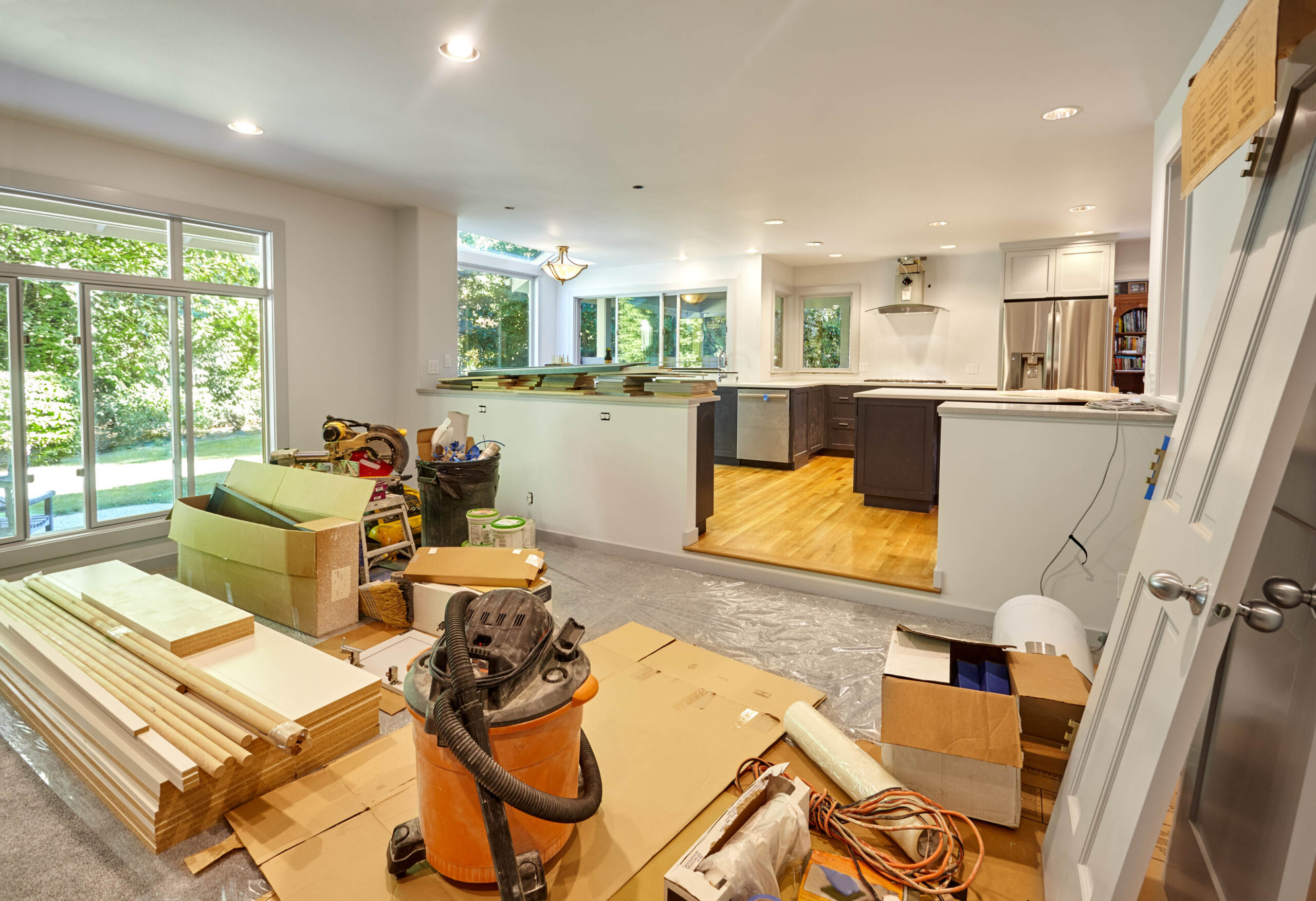
The average remodeling job typically spans three to six months on average, based on the size of the job, size of the home, and availability of materials. Intricate jobs could demand more time for completion.
What are frequent blunders to avoid throughout the renovation process?
Typical pitfalls in the remodeling process are things like miscalculating costs, not securing the required permissions, missing scheduled deadlines, failing to communicate effectively with the construction team, and ignoring long-term functionality. Knowing these potential problems can lead to a less stressful, more positive renovation outcome.
What's the best way to select the appropriate materials for my renovation?
Selecting appropriate supplies requires assessing how long they will last, the look and feel, and cost constraints. Investigating available choices, talking to specialists, and factoring in how much care they require will significantly help in reaching educated conclusions, to guarantee the project fits with personal and functional requirements.
Is it possible to stay in my house during renovations?
You are able to stay on the premises while work is ongoing, but it might cause disruption. Detailed organization, clear communication with contractors, and setting aside certain zones for daily use will reduce the inconvenience while the work is underway.
What kind of coverage should be provided from remodeling contractors?
Clients typically receive warranties for the labor performed, the supplies used, and structural components, typically ranging from one to ten years. It is essential to examine the fine print and details alongside your builders to know the full extent of the guarantee and its restrictions.